
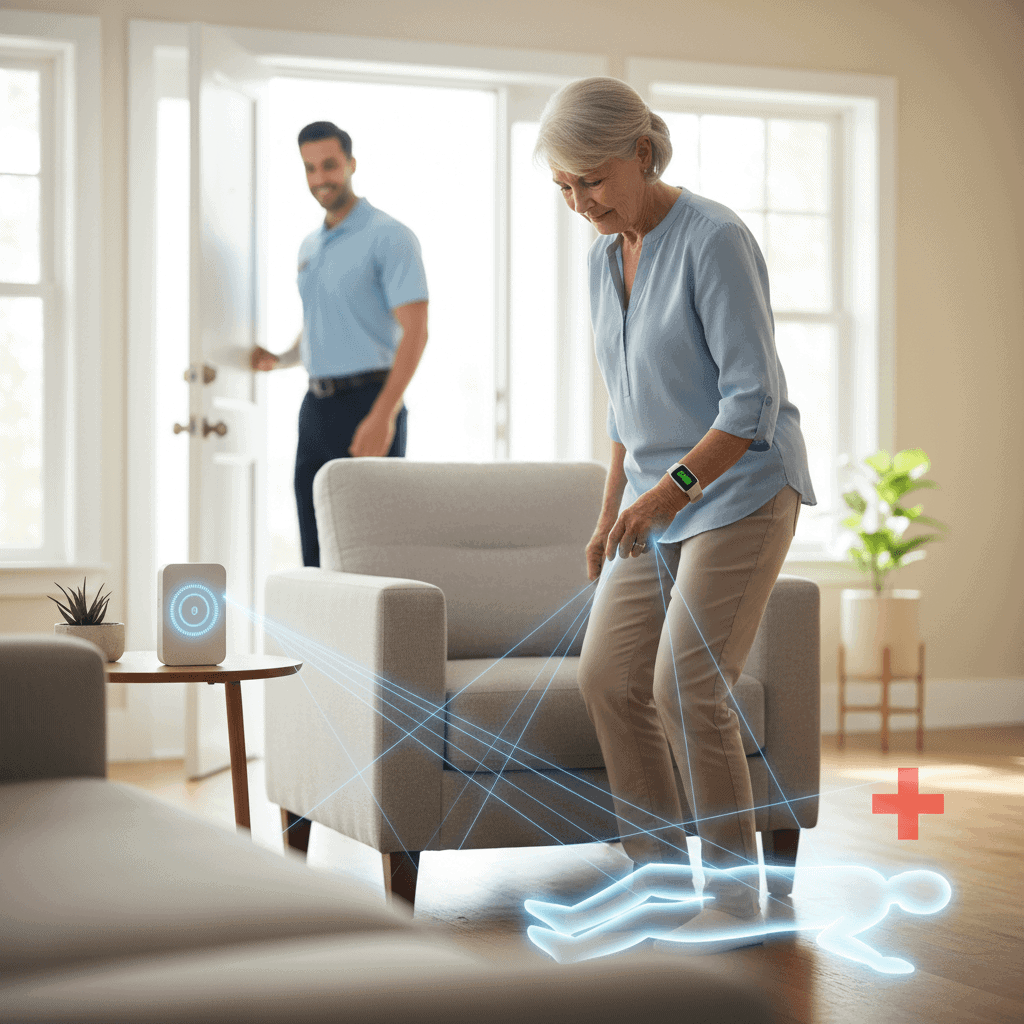
Ensuring the safety and well-being of our older loved ones is a top priority for many families. Falls represent a significant risk for seniors, and they can often lead to serious injuries or even a loss of independence. I understand the worry that comes with knowing an elder might be alone when a fall happens.
This is why alert systems with fall detection have become so important. These devices offer a layer of security, giving families and caregivers peace of mind. They also empower seniors to maintain a more independent lifestyle at home.
Today, I want to talk about what to understand about alert system fall detection. We will explore how these systems work, what features matter, and how they truly make a difference in daily life.
Understanding How Fall Detection Systems Work
At its heart, fall detection technology aims to automatically identify when someone has fallen. It then alerts emergency contacts without the person needing to press a button. This automation is a game changer, especially for falls that leave a person unable to call for help.
These systems use a combination of sensors and algorithms. They detect changes in motion and body orientation that are typical of a fall. Most devices rely on accelerometers and gyroscopes to track movement.
When a sudden, sharp change in position or speed occurs, the system’s software analyzes this data. It tries to determine if it truly was a fall or just a rapid movement. If the criteria for a fall are met, the device initiates an alert sequence.
The Role of Sensors in Detecting Falls
High-tech sensors are central to the effectiveness of these alert systems. Accelerometers measure linear acceleration, essentially how fast an object’s speed changes. Gyroscopes measure angular velocity, which means how quickly an object rotates or changes its orientation.
When a person falls, there is usually a sudden impact followed by a period of stillness. The system looks for this specific pattern. It distinguishes a genuine fall from other activities like sitting down quickly or dropping the device.
Some advanced systems even include barometric pressure sensors. These can detect a rapid change in altitude, which is another indicator of a fall. The goal is to be accurate and minimize false alarms.
Processing and Alerting Mechanisms
Once a potential fall is detected, the device waits a short time. This allows the user to cancel the alert if it was a false alarm. If the user does not cancel, the system then automatically connects to a monitoring center or designated emergency contacts.
This connection can happen through a cellular network or a landline. Many modern systems use cellular technology, so they work anywhere with cell service. This is a big advantage over older systems that needed a home base unit.
The monitoring center staff speak to the person through the device. They confirm the emergency and then dispatch appropriate help, such as paramedics or family members. This quick response can significantly improve outcomes after a fall.
Key Features of Modern Alert Systems
Modern alert systems offer more than just basic fall detection. They come with a variety of features designed to provide comprehensive safety. These enhancements make them valuable tools for seniors and their families. They also add layers of protection that go beyond simple emergency calls.
I find that understanding these features helps in choosing the right system. Every individual has different needs so customization is key.
Integrating GPS and Location Tracking
Many of today’s fall detection devices include GPS capabilities. This is especially useful for seniors who are active outside their homes. If a fall occurs while someone is out walking, shopping, or in their garden, emergency services can pinpoint their exact location.
This feature removes the worry of a loved one falling in an unknown place. It ensures that help can reach them quickly, regardless of where they are. Some systems even allow family members to track the device’s location through a smartphone app, adding another layer of reassurance.
GPS tracking is vital for people with memory conditions who might wander. It helps ensure they can be found if they get lost after a fall. The ability to locate a person quickly saves precious time in an emergency.
Two-Way Communication Capabilities
Another powerful feature is two-way communication. This allows the user to speak directly with the monitoring center or emergency contacts through the device itself. It acts like a speakerphone that is built right into the pendant or smartwatch.
This means no fumbling for a phone during an emergency. The user can simply talk into their device. This direct communication helps the monitoring center understand the situation better. They can then send the most appropriate help needed.
For me, this feature provides huge comfort. It means my loved one can communicate their needs even if they are in distress or unable to move. It really bridges the gap between the person and help.
Choosing the Right Fall Detection Device
Selecting the ideal fall detection device involves weighing several factors. Each person has unique circumstances and preferences, so what works for one might not work for another. I advise considering how the device fits into daily routines and lifestyle.
It is important to look at the technology, but also at the practical aspects of wearing and using the system. Making an informed choice leads to better adoption and sustained use.
Wearable Versus Non-Wearable Options
Fall detection systems primarily come in two forms. There are wearable devices and non-wearable solutions. Wearable devices are the most common. These often include pendants, wristbands, or smartwatches.
They are convenient because they go wherever the person goes. However, they only work if the person is wearing them. This is a key point because some seniors might forget or choose not to wear their device constantly.
Non-wearable options use sensors placed around the home. These sensors might detect movement patterns or changes in body mass. They do not require the user to wear anything. They offer consistent monitoring within a defined space. But they may not detect falls in all areas like bathrooms or outside the home. Consider the daily habits of the person using the system.
Battery Life and Reliability
Battery life is a critical aspect of any fall detection device. A device that runs out of power frequently is not reliable. I suggest looking for devices with long battery lives, ideally ones that last several days on a single charge. Some smartwatches may need daily charging. This could be a hurdle for some users.
Charging routines should be simple and easy to remember. A device that requires complex charging may be neglected. Reliability also extends to the signal strength and connectivity. Make sure the system works well in all parts of the home and where the senior often goes.
Testing the device regularly is a good practice. This confirms it is always functioning correctly. Many systems offer automatic self-tests or allow easy manual testing.
Benefits Beyond Emergency Response
The immediate benefit of an alert system is clear, which is swift emergency response after a fall. However, these systems offer a range of additional advantages. These benefits greatly improve the overall quality of life for seniors and their families. They empower seniors to live more confidently.
I see these systems as tools for fostering independence. They help reduce anxiety for everyone involved.
Increased Independence for Seniors
Many seniors fear losing their independence. They worry about becoming a burden to their families. Fall detection systems can ease these fears. They allow seniors to continue living in their own homes longer. They do not need constant supervision.
Knowing that help is automatically on the way if a fall occurs gives them confidence. They feel safer participating in daily activities. This could be gardening, walking, or simply moving around their home. This sense of security promotes a more active and fulfilling lifestyle. They worry less about potential accidents.
I believe that preserving independence is invaluable. It contributes significantly to a senior’s mental and emotional health. These systems are a key part of that preservation.
Reduced Burden on Caregivers and Families
Caregivers and family members often carry a heavy burden of worry. They constantly think about the safety of their older loved ones. Fall detection systems can significantly lighten this load. They provide a reliable safety net.
Families can rest easier knowing that an automated system is watching out. They know that help will be summoned if needed. This reduces the need for constant check-ins or the anxiety of leaving a loved one alone. It frees up time and mental energy for caregivers.
This technology also gives families real data. They can understand patterns of activity or potential risks. This helps them make better decisions about care plans. It creates a supportive environment for everyone.
Potential Challenges and Limitations
While alert systems with fall detection are remarkably helpful, it is important to have realistic expectations. Like all technologies, they have certain challenges and limitations. Understanding these helps users and caregivers get the most from their system.
I always advocate for a balanced view. No system is perfect but knowing the drawbacks lets us work around them.
Addressing False Alarms and Sensitivity
One common challenge is the occurrence of false alarms. These happen when the system mistakenly detects a fall during a non-fall event. This could be due to a sudden movement like aggressively waving an arm or sitting down too fast. It could also happen if the device is dropped.
Excessive false alarms can be annoying. They can also lead to a lack of trust in the system. I have heard stories where family members or monitoring centers start to take alerts less seriously. This creates a real safety risk.
Many modern systems have adjustable sensitivity settings. They also use sophisticated algorithms to minimize false positives. Users can learn to cancel false alarms quickly. This helps maintain the system’s credibility and reliability. Regular use helps people get used to how the system works.
Connectivity Requirements and Dead Zones
Another limitation involves connectivity. Most personal alert systems rely on cellular service or a strong internet connection. If the user lives in an area with poor cell reception, the device may not function correctly. This can leave them unprotected when they need it most.
Even within a home, there can be “dead zones” where the signal is weak. Thick walls or certain building materials might interfere with the signal. This is why testing the device in all frequently used areas is vital. I always suggest a thorough check upon installation.
For landline-based systems, ensuring the phone line is always active and connected is necessary. Any power outage could affect these older systems. Newer cellular devices usually have their own battery backups. This makes them more resilient in some situations.
Integrating Fall Detection with Daily Life
For fall detection systems to be effective, they must be seamlessly integrated into a senior’s daily routine. It is not enough to just buy a device. The user needs to feel comfortable with it. They also need to understand how it works. This leads to consistent use and better outcomes.
I believe that good preparation and ongoing support make a huge difference. These steps can turn a new gadget into a trusted companion.
Training and Acclimatization for Users
Introducing a new alert system requires proper training. Users need to understand how the device functions. They should know what to do if an alert is triggered, whether it is a real fall or a false alarm. Practicing canceling an alert is important. This builds confidence and familiarity.
Family members or caregivers should walk through the setup and usage together. This helps address any questions or concerns upfront. It also makes the senior feel more supported. I often recommend setting up a schedule for wearing the device. This creates a habit that reduces the chance of forgetting it.
Open communication about the purpose of the device is key. Frame it as a tool for independence and safety, not a sign of lost capability. This positive approach encourages acceptance and consistent wear.
Regular System Checks and Maintenance
Ongoing maintenance is crucial for the reliability of any fall detection system. This includes regular battery checks. It also means making sure the device is always charged. Most systems have indicators for low battery, but a proactive approach is better.
Performing routine test calls is also very important. This confirms that the device can connect to the monitoring center. It also ensures that the two-way communication feature works. These checks can be done weekly or monthly, depending on the system and user needs.
Additionally, keeping the device clean and free from damage helps extend its life. I suggest checking for wear and tear on pendants or wristbands. Promptly replace any worn-out components. This diligence ensures the system is always ready when needed.
Final Thoughts on Alert System Fall Detection
I believe understanding what to understand about alert system fall detection is vital for anyone caring for or living with an older adult. These systems are more than just gadgets. They are essential tools that offer security, promote independence, and provide immense peace of mind to countless families. We have discussed how they work, from the complex sensors that detect a fall to the various communication methods that bring help quickly. Modern fall detection technology has evolved greatly, offering features like GPS tracking and two-way communication that dramatically enhance safety and response times. Choosing the right system means considering both wearable and non-wearable options, as well as critical factors like battery life and overall reliability. Beyond the immediate emergency response, these devices foster a renewed sense of independence for seniors, allowing them to continue their daily lives with confidence. They also significantly reduce the constant worry and burden on caregivers, freeing up valuable emotional and physical energy. While challenges like false alarms and connectivity issues exist, being aware of them allows for proactive management and effective use. Integrating these systems into daily life through proper training and regular checks ensures they remain reliable and accepted tools for safety. I encourage you to explore these options for your loved ones or for yourself. Investing in such a system is truly an investment in safety, independence, and peace of mind for everyone involved.
